The world of shōnen anime is a vibrant tapestry, with threads of inspiration weaving through generations of stories. At its heart lies a profound lineage, where groundbreaking series pave the way for future legends. Few connections are as compelling and foundational as the undeniable influence of Akira Toriyama's seminal Dragon Ball Z on Masashi Kishimoto's globally beloved Naruto. Both series captivated millions, setting benchmarks for action, character development, and genre-defining storytelling.
This hub article will journey through the fascinating ways Naruto paid homage to its predecessor, from direct character allusions to shared mythological roots and the enduring legacy both series carved in pop culture history. Prepare to uncover the shared DNA that links Goku's epic adventures to Naruto Uzumaki's path to becoming Hokage.
The Unmistakable Homage: How Naruto's Four-Tails Echoes Goku
One of the most striking and direct tributes from Naruto to Dragon Ball Z comes in the form of the fearsome Four-Tails, a powerful Tailed Beast. Its design and backstory are a clear nod to Toriyama's iconic protagonist, Son Goku, demonstrating Kishimoto's deep respect for the series that set the standard. It’s an homage that goes far beyond a simple visual cue, embedding itself into the very lore of the ninja world.
To truly appreciate this specific nod, it's worth diving into the deep connections between Naruto's Four-Tails and Dragon Ball's Goku. You'll discover how its name, appearance, and even its associated jinchuriki all tie back to elements of the Dragon Ball universe, revealing a carefully crafted tribute within the ninja saga.
Direct Inspirations from Dragon Ball
The details of the Four-Tails' inspiration are meticulously woven into the fabric of Naruto's world:
- Name: The beast's true name, Son Gokū, is an obvious phonetic and thematic link to Dragon Ball's Son Goku. This isn't just a coincidence; it’s a deliberate choice that roots the Tailed Beast in a legendary legacy.
- Visual Design: The Four-Tails manifests as a gigantic, red-furred, gorilla-like creature with horns. This appearance directly mirrors the Great Ape form, a powerful transformation Saiyans like Goku undergo when exposed to a full moon. The raw power and primal nature are strikingly similar.
- Number of Tails: The creature possesses exactly four tails, a direct reference to the Four-Star Dragon Ball. This treasured sphere was Goku's most cherished possession as a child, serving as a reminder of his adoptive grandfather, Gohan, whose spirit he believed resided within it.
- The Jinchuriki, Rōshi: The ninja sealed with Son Gokū is named Rōshi, a clear homage to Master Roshi (the Turtle Hermit), Goku's eccentric yet wise first martial arts teacher in Dragon Ball. Master Roshi was instrumental in teaching Goku fundamental techniques, including the iconic Kamehameha.
These layered references demonstrate Masashi Kishimoto's specific odes to Akira Toriyama, showcasing how deeply Dragon Ball resonated with the Naruto creator. These are not mere Easter eggs but structural components of the Naruto narrative, enriching its lore.
From Ancient Myths to Modern Sagas: The Journey to the West Connection
Beyond direct character homages, both Dragon Ball and Naruto share a deeper, more ancient root: the classic 16th-century Chinese novel, Journey to the West. This epic tale, featuring the mischievous and powerful Monkey King, Sun Wukong, has provided a rich wellspring of inspiration for countless stories across Asia and beyond. Its influence is a testament to the timeless nature of mythological storytelling.
Understanding the shared literary foundation between these two anime giants provides incredible insight into their character designs and narrative archetypes. For a complete exploration of this fascinating historical link, we invite you to delve into how 'Journey to the West' shaped both iconic series. It reveals how a centuries-old legend continues to inspire modern pop culture.
- Dragon Ball's Sun Wukong: Akira Toriyama heavily borrowed from Journey to the West when creating Dragon Ball. Goku himself embodies many traits of Sun Wukong, from his monkey-like appearance (especially in his Great Ape form) to his prodigious strength and adventurous spirit. Characters like Bulma (Tripitaka), Yamcha (Sha Wujing), and Oolong (Zhu Bajie) also draw parallels from the original tale.
- Naruto's Parallel: Naruto also features its own direct allusion to Journey to the West through the summoning of Monkey King: Enma, a powerful ninja monkey summoned by the Third Hokage, Hiruzen Sarutobi. This demonstrates how both creators tapped into a shared cultural touchstone to imbue their worlds with a sense of legendary power and heritage.
The Enduring Legacy: How Dragon Ball Z Paved the Way for Naruto
Dragon Ball Z, which first burst onto screens in 1989, wasn't just another anime; it was a global phenomenon that irrevocably altered the landscape of shōnen anime and its international reception. With its high-stakes battles, explosive transformations, and themes of relentless training, determination, and self-improvement, it became a cultural touchstone. It served as a pivotal gateway for countless Western audiences in the 1990s, effectively introducing the shōnen genre to a global stage via networks like Toonami.
The groundwork laid by Dragon Ball Z created fertile ground for subsequent series to flourish. To grasp the full scope of this impact, explore the monumental legacy Dragon Ball Z built for shōnen anime. It illustrates how DBZ's template of escalating power levels, dramatic sacrifices, and epic storytelling continues to echo through modern productions.
Naruto Uzumaki: A Spiritual Heir to Goku's Path
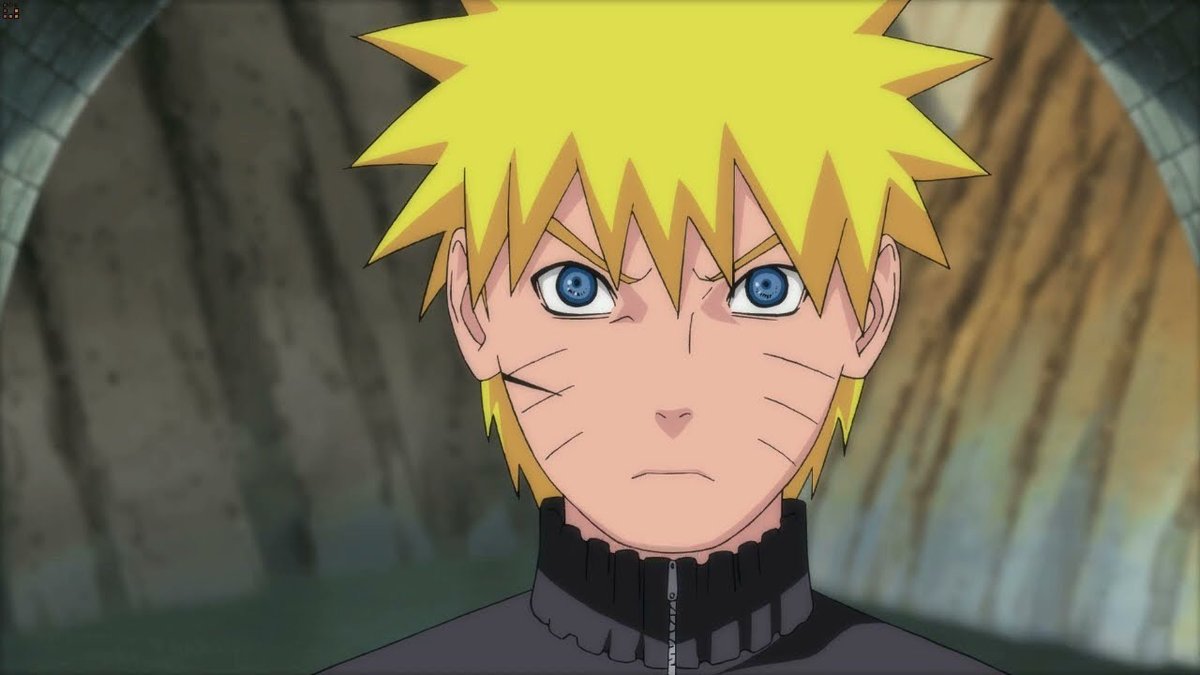
Building upon this foundation, Naruto, serialized starting in 1999, further cemented anime's mainstream presence in the 2000s. While retaining the action-packed core, Naruto distinguished itself by delving into complex themes of friendship, loneliness, and self-discovery. Naruto Uzumaki's journey from outcast to revered leader, his unwavering spirit, and his desire to protect his friends resonated deeply with audiences worldwide. He became a symbol of perseverance and the power of believing in oneself, mirroring the inspirational trajectory of Goku.
For a deeper understanding of how Naruto's journey reflects and evolves the hero archetype established by Goku, consider how Naruto Uzumaki became a spiritual heir to Dragon Ball's hero. You’ll find remarkable parallels in their unwavering determination, their drive to protect loved ones, and their ability to inspire those around them.
- Themes of Growth and Evolution: Both Goku and Naruto are characters defined by their growth, not just in strength but in wisdom and understanding. They face formidable foes, endure immense personal struggles, and ultimately emerge as symbols of hope and leadership.
- Impact on the Genre: Dragon Ball Z's focus on intense, transformative battles can be seen influencing series like My Hero Academia and Demon Slayer. Meanwhile, Naruto's emphasis on personal growth, emotional depth, and intricate world-building inspires shows like Attack on Titan and Hunter x Hunter.
Shaping the Future of Anime: The Dual Impact of Dragon Ball Z and Naruto
The combined influence of Dragon Ball Z and Naruto on global pop culture is simply immeasurable. These two series transcended cultural boundaries, becoming more than just entertainment – they became phenomena. Their success profoundly changed anime consumption patterns, notably aided by the rise of digital streaming platforms, making anime more accessible than ever before. They sparked extensive multimedia franchises, including video games, films, merchandise, and live-action adaptations, cementing their status as global brands. Goku and Naruto are now recognizable cultural icons, frequently referenced across various forms of media.
To fully grasp the magnitude of their collective impact, we recommend reading how Naruto and DBZ profoundly changed the global anime landscape. It highlights their roles in defining genre conventions, attracting massive fan communities, and shaping the very future of anime production and consumption.
These series are more than just animated shows; they are cultural touchstones that embody determination, hope, and the relentless pursuit of greatness. They continue to inspire millions of fans and creators, ensuring their powerful legacies endure for generations to come.